On this page
Start with your nose and a hygrometer, then check every place water is used or can get in: bathrooms, under sinks, the laundry, the water heater, windows, the attic, the basement and the HVAC system. Look low on walls, behind and under things, and at ceilings below bathrooms. A lasting musty smell with nothing visible is the strongest sign of hidden mold.
What You Need
- A bright flashlight.
- A hygrometer ($15) to read humidity; under 50% is the goal.
- A pin or pinless moisture meter ($25–$40), optional but very useful.
- Your phone for photos of anything suspicious.
- An N95 mask if you will be in an attic or crawl space.
Room-by-Room Walkthrough
| Room | Check | Warning signs |
|---|---|---|
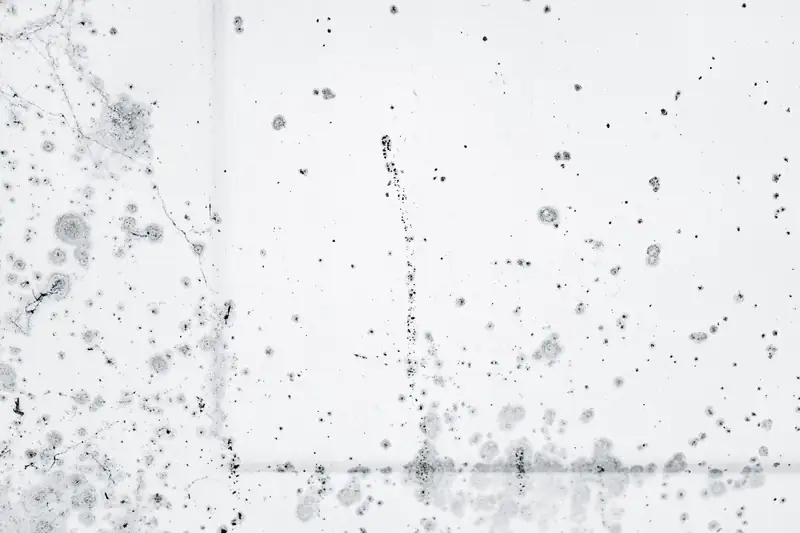
| Bathrooms | Behind the toilet, under the sink, tub and shower caulk, ceiling above the shower, the exhaust fan | Black spots in caulk that come back, peeling ceiling paint, a fan that does not pull a tissue |
| Kitchen | Under the sink, behind the dishwasher and fridge, the wall behind the range | Swollen cabinet floor, stains, a musty smell when the cabinet opens |
| Laundry | Behind the washer, hoses, the dryer vent | Bulging hoses, damp drywall, lint and moisture where the vent leaks |
| Bedrooms and closets | Exterior walls behind furniture, closet corners, window sills | Spots behind dressers, damp shoes or clothes, condensation on windows |
| Attic | Roof sheathing, around vents and bath fan ducts | Dark staining on the underside of the roof, frost in winter, a fan duct dumping into the attic |
| Basement | Lower walls, window wells, water heater, carpet edges, storage | Musty smell, soft drywall, efflorescence, damp pad |
| HVAC | Furnace filter, the coil and drain pan, supply vents | Musty air when the system starts, dirt or growth on the coil |
The basement gets its own detailed list in our basement-only mold warning signs guide.
Check the Air, Not Just the Walls
Read humidity in a few rooms, including the basement, on a normal day. Above 60 percent for days at a time is enough for mold to grow on dust and materials without any leak. In Utah, summer basements and winter rooms with a running humidifier are the usual high spots.
When is the last time anyone cleaned your AC coils? A dirty coil can make the whole house smell musty even when the walls are fine; see our furnace coil and duct mold page.
Utah Hot Spots People Miss
- Basement windows next to window wells, after snowmelt.
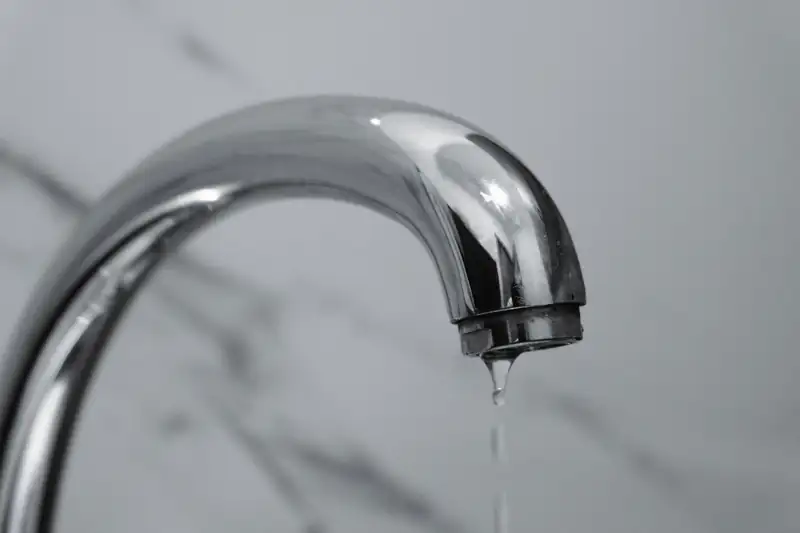
- The wall behind an outdoor hose bib that leaked in spring.
- The attic around bathroom fan ducts that end in the attic instead of outside.
- Rim joists on cold mornings in January.
- Evaporative cooler lines and the ceiling below them in older homes.
- The garage wall shared with a finished room.
Utah air is dry most of the year, so mold here almost always points to a specific water source. When you find a spot, ask where the water came from, and look there next.
Should You Buy a Mold Test Kit?
Settle-plate kits from the store almost always grow something, because mold spores are in all indoor and outdoor air. They cannot tell you whether you have a problem or where it is. A moisture meter and your nose are better tools for a first check.
When to Get a Professional Inspection
- A musty smell you cannot trace to anything.
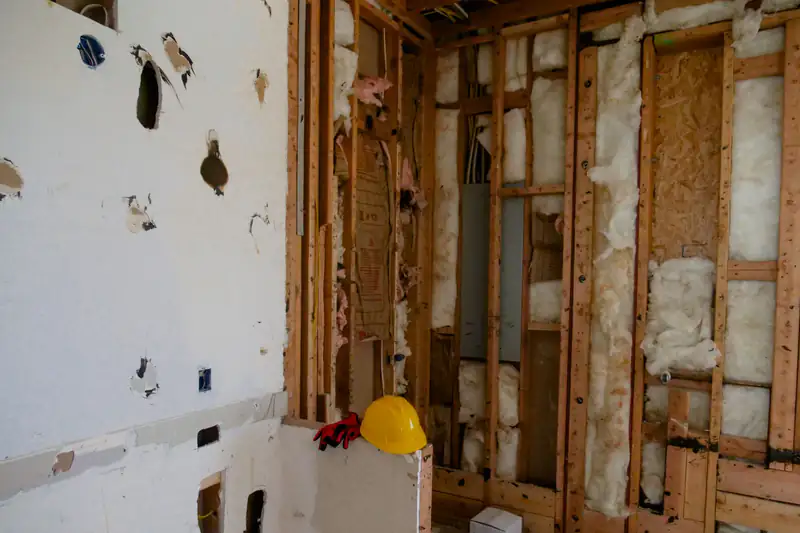
- Stains or soft drywall that suggest water inside a wall.
- A past leak or flood that was not fully dried.
- Someone in the house has symptoms that ease when they leave.
- You are buying or selling a home.
A whole-house mold inspection with moisture mapping finds what you cannot see, and the visual inspection is free.
Found something in the basement? Our mold removal team for Eagle Mountain homes can take it from there.
Frequently Asked Questions
How do I check my house for mold?
Follow the water: check bathrooms, under sinks, the laundry, the water heater, windows, the attic, the basement and the HVAC system. Use your nose, a flashlight and a hygrometer.
How do I know if I have mold in my walls?
A lasting musty smell, stains, peeling paint or soft drywall, especially low on walls or near plumbing, point to mold inside the wall. A moisture meter confirms wetness.
Are home mold test kits accurate?
Not useful for most homes. Settle-plate kits nearly always grow mold because spores are in all air.
What humidity causes mold in a house?
Humidity above about 60 percent for long periods lets mold grow. Aim for 30 to 50 percent.
Where does mold usually hide in a house?
Under sinks, behind toilets and washers, around water heaters, in attics near bath fan ducts, low on basement walls and under carpet near past leaks.