On this page
Not legal or insurance advice. Every policy is different. Read your own declarations page and policy, and ask your agent or the Utah Insurance Department if something is unclear.
Utah homeowners insurance usually covers mold only when it comes from a sudden, covered water event, such as a burst pipe or a failed water heater, and only if you report it and start drying promptly. Mold from slow leaks, humidity, condensation, flooding or poor maintenance is usually excluded, and many policies cap mold coverage, often somewhere between $1,000 and $10,000.
The One Question Insurers Ask: What Caused the Water?
Insurance does not really cover "mold." It covers sudden, accidental damage, and mold is treated as part of that damage only when the water behind it was a covered event. So the claim lives or dies on the cause.
| Cause | Usually covered? | What decides it |
|---|---|---|
| Burst or frozen pipe | Often yes | Sudden event; heat kept on if you were away |
| Water heater or washer hose failure | Often yes | Sudden failure, reported promptly |
| Slow leak behind a wall for months | Usually no | Gradual damage and maintenance exclusions |
| Humidity or condensation | Usually no | Not a sudden event |
| Sewer or floor-drain backup | Only with an endorsement | Water-backup or sewer-backup coverage and its limit |
| Sump pump failure | Only with an endorsement | Often grouped with water backup |
| Storm runoff, snowmelt or groundwater from outside | Not under homeowners | Needs a separate flood policy |
Mold Caps and Exclusions to Look For
Pull out your policy and search for the words "fungi," "mold" and "wet rot." That section usually does one of three things: excludes mold entirely, covers it only when it results from a covered water loss, or covers it up to a set dollar limit. That limit is per claim or per policy year, and it often includes testing and cleanup together.
- A mold or fungi sublimit, often $1,000 to $10,000.
- A "continuous or repeated seepage" exclusion for leaks lasting weeks or longer.
- A water-backup or sump-overflow endorsement, and its separate limit.
- Your deductible, which applies before any payment.
- Duties after a loss: prompt notice and steps to prevent further damage.
How to File a Mold or Water Claim That Holds Up
- Stop the water and start dryingPolicies expect you to prevent further damage. Waiting for an adjuster before drying can hurt the claim.
- Document before anything movesPhotos and video of the source, the water line, damaged materials and the date you found it.
- Call your agent or insurer the same dayWrite down the claim number, who you talked to and what they said.
- Get moisture readings and a written scopeReadings show where it is wet and how far it spread; insurers rely on them.
- Keep damaged items or photograph them wellDo not throw things out until the adjuster has seen them or approved disposal in writing.
- Keep every receiptEmergency drying, plumbing repairs, hotel stays if you had to leave.
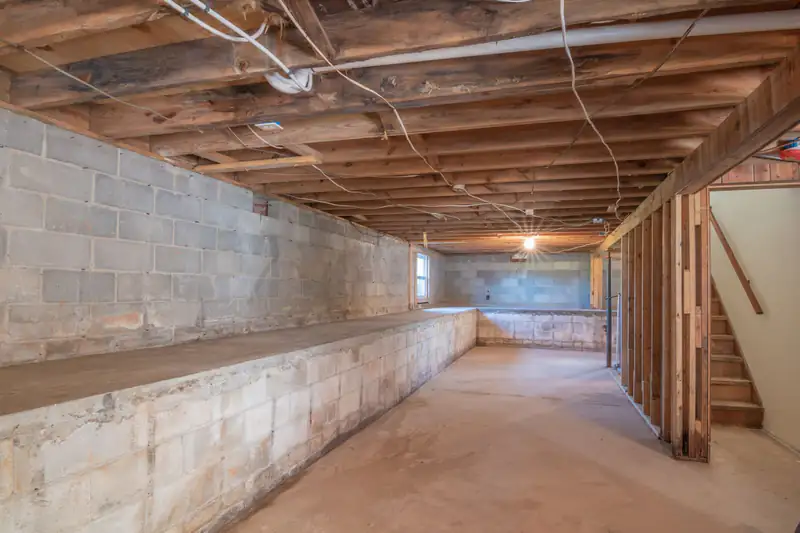
If water is still in the basement, start with emergency water extraction for a flooded basement and document as you go.
Why Mold Claims Get Denied
It was gradual
Staining, rot or rust show the water was there for weeks or months.
It was outside water
Snowmelt, storm runoff and groundwater are flood, not homeowners.
No endorsement
Sewer and sump backups without the add-on coverage.
Late notice
Days or weeks passed before it was reported and dried.
What Mold Removal Costs If Insurance Will Not Pay
Most basement mold jobs in Utah run $1,500 to $7,000, and small ones less. Knowing the real number helps you decide whether a claim is worth filing at all once you subtract your deductible; see the full Utah basement mold price ranges.
Policy Words That Change the Answer
| Term | What it usually means for you |
|---|---|
| Sudden and accidental | The water event happened quickly and unexpectedly, like a burst pipe; the core of most covered water claims |
| Continuous or repeated seepage | A leak over weeks or months; usually excluded |
| Fungi, wet rot or bacteria | The mold section; often limited to a sublimit or excluded |
| Water backup endorsement | Optional coverage for water coming up through drains or a failed sump |
| Surface water / flood | Water from outside the house; excluded under homeowners, covered by flood insurance |
| Mitigation | Reasonable steps to stop further damage, such as drying; expected of you after a loss |
Disputes and Getting Help
If a claim is denied or underpaid, ask for the denial in writing with the policy language it relies on. You can request a re-inspection, submit your own moisture readings and photos, or hire a licensed public adjuster to represent you. The Utah Insurance Department takes consumer complaints if you think a claim was handled unfairly. Our guide to when a public adjuster is worth it explains the trade-offs.
Need documentation an adjuster can use? Our Eagle Mountain mold removal and water-damage documentation starts with a free inspection and written readings.
Frequently Asked Questions
Does homeowners insurance cover mold in Utah?
Usually only when the mold comes from a sudden, covered water event that was reported and dried promptly, and often only up to a mold sublimit. Mold from slow leaks, humidity or outside flooding is usually excluded.
How much will insurance pay for mold?
Many policies cap mold coverage, often somewhere between $1,000 and $10,000 per claim or policy year, after your deductible. Check the fungi or mold section of your policy.
Does insurance cover mold from a leaking pipe?
If the pipe burst or failed suddenly and you acted quickly, often yes. If it leaked slowly for weeks or months, the gradual-damage exclusion usually applies.
Does insurance cover mold after a sewer backup?
Only if you have a water-backup or sewer-backup endorsement, and up to that endorsement's limit.
Should I file a claim for a small mold problem?
Compare the likely cost with your deductible and ask your agent first. Small, gradual problems are often cheaper to fix without a claim.
How long do I have to report water damage?
Policies require prompt notice, and waiting makes it harder to prove the damage was sudden. Report the same day you find it if you can.