On this page
Most Utah homeowners pay $250 to $700 for a mold inspection with lab samples. A visual inspection with moisture mapping runs from free to about $400. Clearance testing after remediation costs $300 to $600. National averages sit near $700, with large homes and multi-sample jobs reaching $1,000 or more.
Mold Testing Prices by Type
| Service | Typical cost | Notes |
|---|---|---|
| Visual inspection + moisture mapping | $0 – $400 | Often free from remediation companies |
| Air sample (spore trap), per sample | $75 – $200 | Always paired with an outdoor control sample |
| Tape lift or swab, per sample | $40 – $100 | Identifies a specific stain |
| Wall-cavity air sample | $75 – $200 | For suspected hidden growth |
| Typical home inspection with 2–4 samples | $250 – $700 | Most common package |
| ERMI dust test | $250 – $400 | Research tool; not validated for routine use (EPA) |
| Clearance (post-remediation) test | $300 – $600 | After cleanup, before rebuild |
| DIY settle-plate kit | $10 – $50 | Not useful: spores are everywhere |
Tests taken after removal are covered under post-remediation clearance testing.
Cost by Home Size
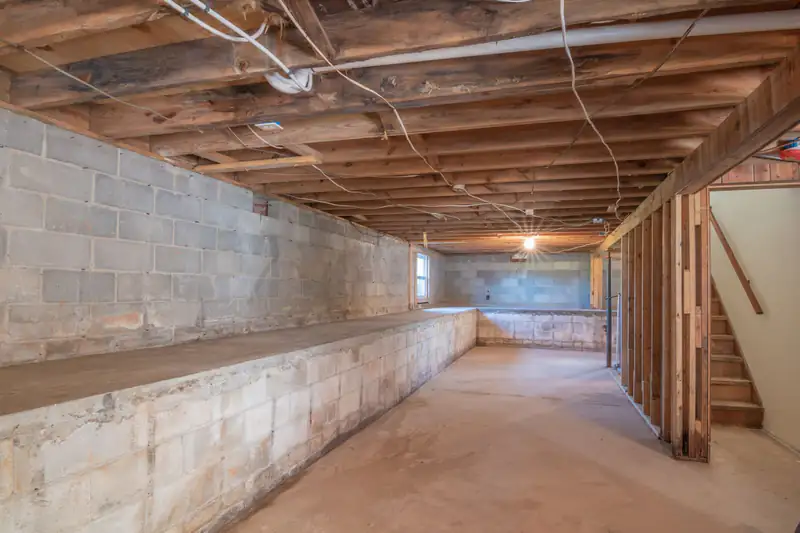
Bigger homes take longer to walk, and they usually need more samples to compare rooms. For a basement-only problem, you can often ask for a limited inspection of the basement and the rooms above it.
| Home size | Visual + moisture mapping | With lab samples |
|---|---|---|
| Basement or one area only | $0 – $250 | $250 – $500 |
| Under 2,000 sq ft | $150 – $350 | $350 – $650 |
| 2,000 – 4,000 sq ft | $250 – $450 | $450 – $900 |
| 4,000+ sq ft | $350 – $600 | $700 – $1,200+ |
What You Get for the Money
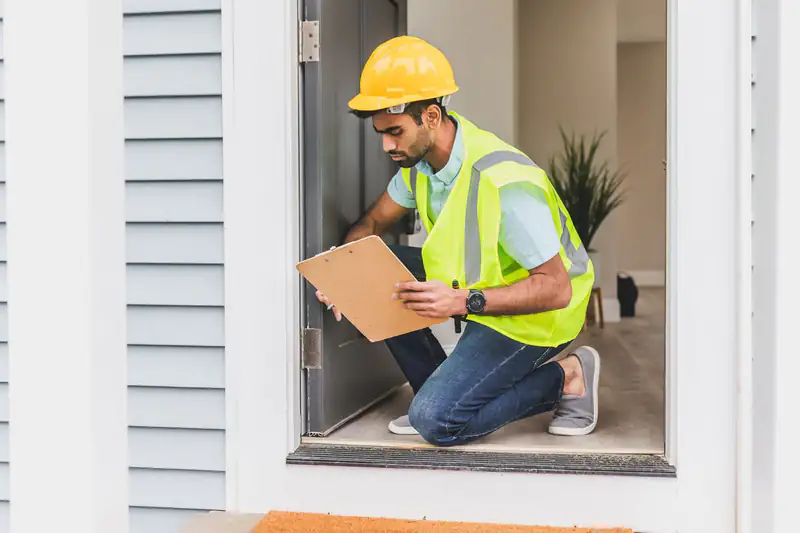
A mold inspection is more than a few air samples. The useful part is finding where the water is coming from, because that decides what the fix is.
- Visual check of the basement, mechanical room, window wells and the rooms above.
- Moisture meter readings on drywall, framing and the slab, recorded by location.
- Thermal imaging to spot cold, wet areas behind walls (sometimes $100 – $300 extra).
- Samples, if needed: indoor air compared with an outdoor control, plus tape lifts on suspect stains.
- A written report with photos, readings, lab results and a plain recommendation.
How Many Samples Do You Need?
Usually fewer than people think. A typical basement inspection uses one outdoor control, one or two indoor air samples in the basement, and one in the main living area to see whether spores are moving upstairs. Tape lifts are only needed when a stain could be mold, dirt or efflorescence, the white mineral crust that forms on concrete. An inspector who wants ten samples in a small house should explain why.
When Testing Is Worth It
Hidden mold suspected
A musty smell with nothing visible. Testing can confirm it before walls are opened.
Real estate
Buyers and sellers want documentation inside contract deadlines.
After remediation
Clearance proves the job worked before new drywall goes up.
Health concerns
Results support conversations with a doctor or landlord.
When to skip it: the EPA says sampling is usually unnecessary when mold is visible, because it should be removed whatever the type. Put the money into removal and fixing the moisture.
Not sure what you are looking at? Compare it with these musty-smell and stain warning signs first.
Buyers on a contract deadline should book a home-sale mold inspection early in due diligence.
Are Home Mold Test Kits Worth It?
Settle-plate kits from the hardware store cost $10 to $50 and almost always grow something, because mold spores are in all indoor and outdoor air. They do not show how much is in your basement compared with outside, and they cannot find mold inside a wall. A $30 moisture meter is a better buy: if the bottom of the drywall reads wet, you have a problem worth a real inspection.
Free Inspection vs. Paid Testing
Many remediation companies, including ours, offer a free visual inspection with moisture mapping. That is enough to find the water, see the damage and price the job. Paid lab testing adds independent numbers. The trade-off is simple: a free inspection costs nothing but comes from the company that may do the work, while an independent inspector costs a few hundred dollars and has nothing to sell you afterward.
Avoiding a Conflict of Interest
Some homeowners prefer an independent inspector for testing and a separate company for remediation, so the company that profits from removal is not the one deciding how much is needed. Either way, ask for the lab report itself, not just a summary.
Lab Turnaround and Utah Deadlines
Standard lab results come back in 1 to 3 business days; rush service is available for an extra fee. Under a Utah Real Estate Purchase Contract, inspections and repair requests have to fit inside the due-diligence deadline, so book a mold inspection in the first few days of the period, not the last.
See what a full inspection includes on our mold inspection and testing page, or go straight to mold testing and removal for Eagle Mountain basements.
Frequently Asked Questions
How much does a mold inspection cost in Utah?
Visual inspections range from free to about $400. With lab samples, most homes cost $250 to $700; large homes with many samples can reach $1,000 or more.
Is mold testing worth it?
When mold is hidden, for real estate, after remediation or for health concerns, yes. For visible mold you plan to remove anyway, usually not.
How many mold samples do I need?
A typical basement inspection uses one outdoor control and two or three indoor samples. Tape lifts are added only for stains that may or may not be mold.
Are home mold test kits worth it?
No. Settle-plate kits nearly always grow mold because spores are in all air. They cannot show whether you have an indoor problem. A moisture meter is more useful.
How long do mold test results take?
Usually 1 to 3 business days from the lab, with rush options for real estate deadlines.