On this page
Black mold removal typically costs $1,500 to $3,500 for one basement wall section and $3,000 to $7,000 for a room. The price per square foot is similar to other mold, about $15 to $31. Stachybotrys needs days or weeks of wetness, though, so it is usually found after it has spread inside walls, which makes the average job larger.
Black Mold Removal Prices
| Scope | Typical cost |
|---|---|
| Small hard-surface patch (under 10 sq ft) | $500 – $1,500 |
| One basement wall section | $1,500 – $3,500 |
| Room or multiple walls | $3,000 – $7,000 |
| Whole basement with framing | $6,000 – $15,000+ |
| Lab identification (optional) | $250 – $700 |
Is It Really Black Mold?
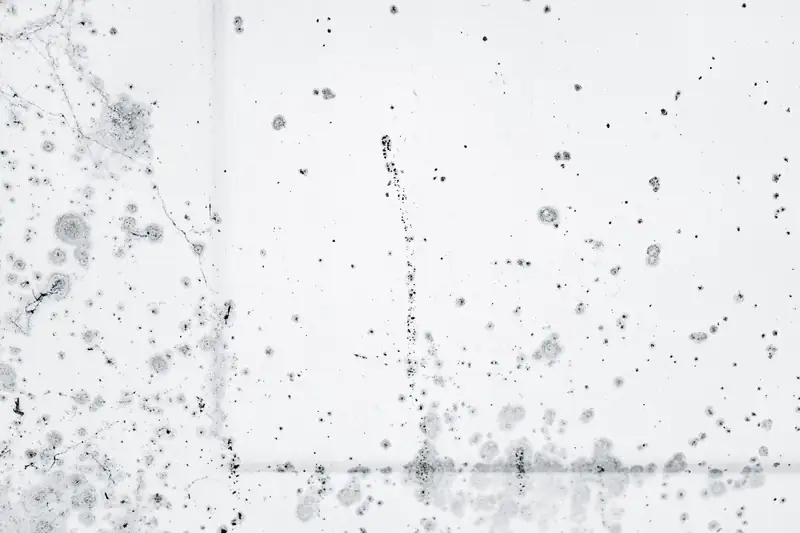
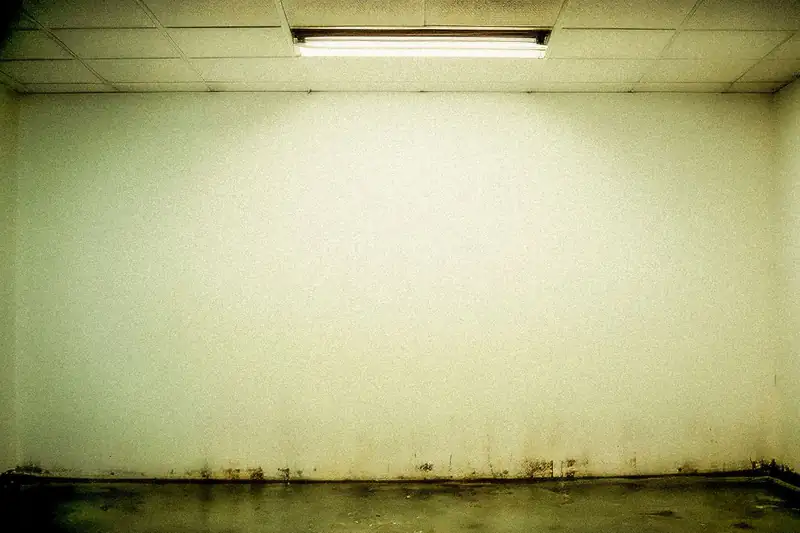
Color does not identify a mold. Several common indoor molds look dark green, gray or black, including Cladosporium, Alternaria and some Aspergillus species, and none of them is Stachybotrys chartarum. True Stachybotrys has two habits that help: it grows on paper and other cellulose (drywall facing, cardboard, the paper on insulation) and only after the material has stayed wet for a long time. A dark patch on concrete after one humid week is very unlikely to be Stachybotrys; a slimy black stain on the back of drywall after a slow leak often is.
For pricing, the species rarely matters. The CDC and EPA say all indoor mold growth should be removed the same way, so a quote should be based on how much material is affected, not on the name of the mold.
Cost by Where It Grows in a Basement
| Location | Typical cost | Why |
|---|---|---|
| Drywall and wall cavity | $1,500 – $5,000 | Drywall and insulation are cut out past the visible growth; studs are cleaned or sanded |
| Carpet and pad | $800 – $3,000 | Carpet and pad are discarded; the slab is cleaned and dried |
| Wood framing, stairs or subfloor | $1,500 – $6,000 | Sanding or replacing structural wood takes more labor |
| Furnace room and ductwork | $2,000 – $6,000+ | Air handler and duct cleaning on top of the room work |
| Crawl space | $1,500 – $5,000 | Tight access; often followed by a vapor barrier |
Why Black Mold Jobs Often Cost More
Found late
Stachybotrys grows only after days or weeks of wetness, so it is usually hidden behind drywall by the time anyone notices.
More demolition
Drywall and insulation are removed past the growth; framing often needs sanding.
The leak
A long-running leak means repair costs: plumbing, window well or foundation work.
Stricter containment
Larger affected areas call for full containment and negative air for the whole job.
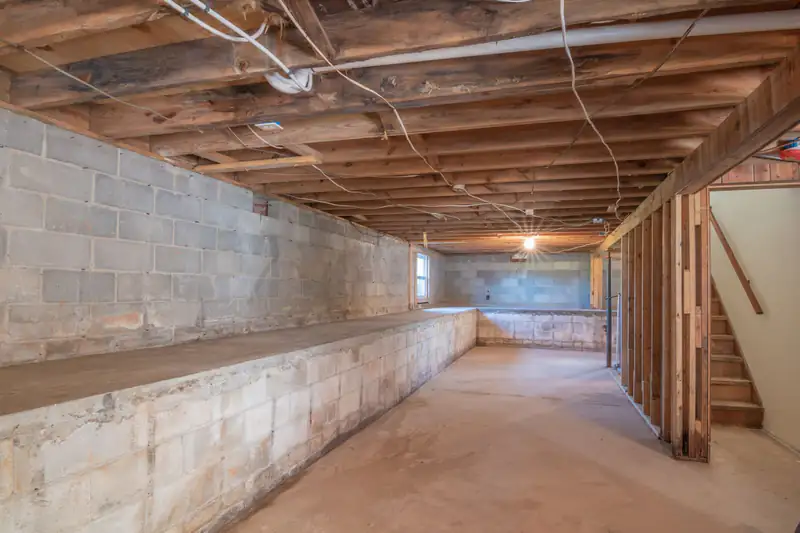
In Eagle Mountain basements, the usual story is a slow leak nobody could see: a water heater dripping into the wall behind it, a window well drain clogged since the house was built, or a washer line weeping behind a finished laundry wall. By the time a musty smell or stain appears, the back of the drywall has often been wet for weeks. Once the walls are open, cutting black mold out of drywall is the largest part of most of these jobs.
Health questions? See what the CDC says about black mold.
Three Example Black Mold Budgets
| Situation | Typical scope | Remediation |
|---|---|---|
| Stain behind a water heater | About 30 sq ft of drywall and insulation, one stud sanded | $1,500 – $2,500 |
| Bedroom wall below a leaking window well | About 100 sq ft of drywall, insulation, carpet and pad | $2,800 – $4,800 |
| Finished laundry room after a slow supply-line leak | Two walls, subfloor edge, cabinets and flooring | $4,000 – $7,000 |
Do You Need to Test Before Removal?
No. The CDC says it is not necessary to identify the species before removal, because all indoor mold should be removed the same way. Testing makes sense for home sales, for health conversations with a doctor, when you suspect more hidden growth, or when you want independent proof the job worked.
Lab fees are listed in our guide to mold test prices.
DIY vs. Professional: What You Actually Save
For a small patch on a hard surface, under about 10 square feet, the EPA says many homeowners can clean it themselves. Supplies run about $50 to $150: an N95 or better respirator, gloves, goggles, detergent, scrub brushes and heavy plastic bags. That saves the $500 to $1,500 minimum a contractor charges for a small job.
The savings disappear when black mold is on or inside drywall. Cutting moldy drywall without containment spreads spores through the basement and up the stairs, and a second cleanup costs more than doing it right once. If the growth is on paper-faced drywall, larger than a few square feet, or anyone in the house has asthma or a weak immune system, pay for containment.
Black Mold Quote Red Flags
Be wary of a quote that uses the words "toxic black mold" to justify a price without measurements; offers fogging, ozone or spraying instead of removing moldy drywall and carpet; bundles whole-house duct cleaning without showing growth in the system; or comes from the same company that ran the test and found the "problem".
What a Fair Quote Includes
- Square footage of material to be removed, by room and material.
- Containment type and negative air.
- HEPA vacuuming and damp wiping of the whole work area.
- Drying and moisture verification.
- What happens, and what it costs, if more mold is found behind walls.
- How the water source will be fixed, and by whom.
- Whether rebuild and clearance testing are included or quoted separately.
Get a written scope from our black mold removal service, or start at basement black mold removal in Eagle Mountain.
Frequently Asked Questions
Is black mold more expensive to remove than other mold?
Per square foot, no. Jobs tend to be bigger because black mold is usually found after spreading behind walls.
How can I tell if it is black mold?
Not by color. Many harmless-looking dark molds are not Stachybotrys. True black mold grows on paper and other cellulose that stayed wet for a long time. Removal is the same either way.
How much does it cost to test for black mold?
A visual inspection is often free; lab samples cost $250 to $700 for a typical home.
Can I remove black mold myself to save money?
Small hard-surface patches under about 10 square feet, yes, following EPA guidance. Black mold on or inside drywall should be removed inside containment.
Does insurance pay for black mold removal?
Only if the mold came from a sudden, covered water event that was reported promptly, and usually up to a mold sublimit. Mold from slow leaks or humidity is typically excluded.