On this page
In Eagle Mountain, wet basements usually come from snowmelt in window wells, sprinkler water against the foundation, settling soil that slopes toward the house, and plumbing or water heater leaks. Each has a different, usually affordable, fix.
The Main Causes, Season by Season
| Season | Cause | Typical sign |
|---|---|---|
| Late winter–spring | Snowmelt in window wells and against walls | Water at basement windows; damp lower walls on the snowy side |
| Spring | Saturated soil from melting snowbanks | Water at the floor-wall joint |
| Summer | Sprinklers and drip irrigation against the foundation | Damp wall section near a sprinkler zone |
| Summer | Cloudbursts and storm runoff | Water at doors, window seals and floor drains |
| Summer | Condensation on cool concrete and pipes | Even dampness, sweating pipes |
| Winter | Frozen and burst pipes or hose bibs | Sudden water near rim joists or exterior walls |
| Any time | Water heater, softener, supply lines | Water spreading from the utility room |
August cloudbursts can back up storm drains, as homeowners in The Ranches saw in August 2024.
Window Wells: The Number One Spring Leak
A window well is a bucket bolted to your foundation. It is supposed to drain through gravel at the bottom, but leaves, dirt and ice clog that gravel over a few seasons. Then the well fills during snowmelt, water presses against the window, and the seals give up. It can let in a lot of water fast, and it usually happens at night during a warm spell.
- Do the bucket testBefore spring, pour a bucket of water into each well. It should drain within a few minutes.
- Clear the gravelPull out leaves and dirt. You want clean gravel about a foot deep over the drain.
- Check the gradePatios, driveways and lawns should not slope toward the well.
- Add a coverA clear, egress-rated cover keeps snow and debris out and still lets someone climb out in an emergency.
- Shovel smartNever pile driveway snow next to a window well or against the foundation.
Is It a Leak or Condensation?
Not every damp wall is a leak. In summer, warm humid air hits cool basement concrete and condenses, just like a cold glass. Tape a square of plastic or foil to the damp spot and wait a day or two. Moisture under the plastic is coming through the wall; moisture on top is condensation from the room. Our page on the condensation versus seepage test walks through what to do with each result.
Why Newer Neighborhoods Leak Too
Backfill around new foundations settles for years. A yard graded correctly at move-in can slowly tilt toward the house, and landscaping beds with edging can trap water against the wall. The International Residential Code calls for the ground to fall at least 6 inches within 10 feet of the foundation, which is worth checking with a level and a straight board.
Edge-of-development homes such as those in Pole Canyon also catch runoff from open land uphill.
Sprinklers and Landscaping
Summer leaks on one wall often line up with a sprinkler zone. Spray heads aimed at the house, drip lines run through a bed against the foundation, and a lawn watered every day can keep the soil next to the wall wet all season. Walk each zone while it runs and watch where the water lands. Turning a head or moving a drip line costs nothing.
Plumbing, Water Heaters and Hard Water
Inside the house, the usual suspects are the water heater, the softener and washer hoses. Utah's hard water leaves mineral buildup that is tough on tanks and fittings, and many original water heaters in homes built in the 2000s are now past a typical 8 to 12 year life. Look for rust at the base, a damp drain pan or crust on fittings. A $20 leak sensor on the floor next to the tank is cheap insurance.
In winter, frost-free hose bibs can still split if a hose is left attached, and the leak shows up inside the basement wall, not outside. Disconnect hoses before the first hard freeze.
Fixes That Match the Cause
Window wells
Clear the drain, add gravel, install a cover, and keep snow shoveled away from wells.
Grading
Rebuild slope away from the house; remove edging that traps water.
Sprinklers
Aim heads away from walls; move drip lines out of beds against the foundation.
Downspouts
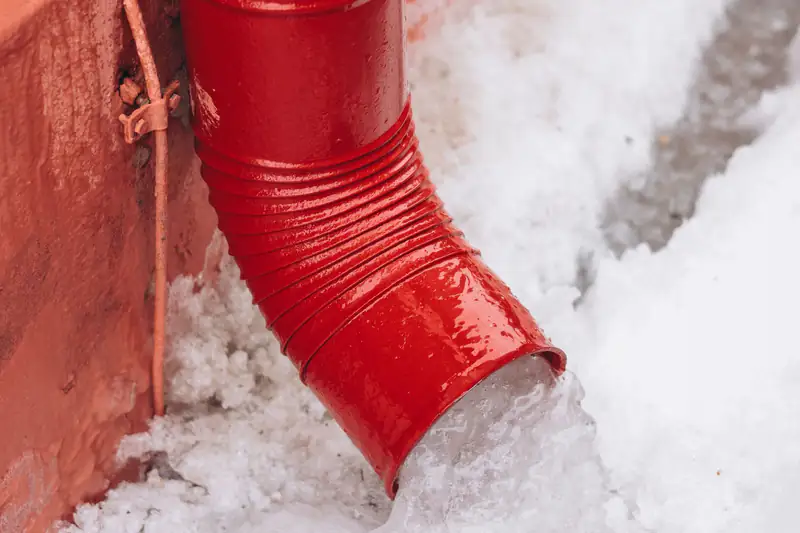
Extend them several feet out; never into a window well.
Plumbing
Leak sensors near the water heater and softener; replace aging tanks.
Pipes
Insulate pipes in rim joists; disconnect hoses in fall; keep the basement heated.
A Seasonal Checklist for Eagle Mountain Basements
| When | What to do |
|---|---|
| February–March | Bucket-test window wells; clear gravel; check covers; test the sump pump if you have one |
| April–May | Walk the basement after warm days; check the floor-wall joint and window frames |
| June | Run each sprinkler zone and fix heads that hit the house |
| August | Clear gutters and storm-side drains before cloudburst season |
| October | Disconnect hoses; check the water heater base and softener lines |
| December–January | Look at rim joists for frost or water; keep humidity under 50% |
If water reached finished drywall or carpet, assume hidden mold until moisture readings say otherwise.
Not sure which one it is? Our basement leak detection service traces it, and we provide basement mold removal for Utah snowmelt leaks if the damage is done.
Frequently Asked Questions
Why is my basement wet in a dry climate like Utah?
Utah basements get wet from snowmelt, sprinklers, poor grading, summer storms and plumbing leaks rather than frequent rain.
Why does my basement leak only in spring?
Snow melting in window wells and against the foundation saturates the soil and overwhelms window well drains.
How do I stop my window well from flooding?
Clear the gravel and drain every year, check it with a bucket of water, keep the ground sloping away, add an egress-rated cover and never pile snow next to it.
Can sprinklers cause basement leaks?
Yes. Heads that spray the foundation or drip lines in beds against the house soak the soil next to the wall all summer.
Is a damp basement wall always a leak?
No. Summer condensation on cool concrete looks like a leak. A plastic or foil test tells you which one it is.