On this page
Smoke odor is sharp, burnt and strongest on fabrics and HVAC filters; mold odor is earthy and musty and strongest in one area, often low in the basement. For smoke, the EPA recommends upgrading to a MERV 13 or higher furnace filter if your system can handle it, using a portable HEPA air cleaner and cleaning surfaces. For mold, find and fix the moisture. If the house was sealed up for weeks, check basement humidity too.
The 2026 Fire Season in Utah
ABC4 reported that more than 500,000 acres burned in Utah in 2026, the state's most severe fire year in nearly two decades, after a record-low snowpack. Many Wasatch Front and Utah County homes spent days with windows shut and HVAC systems running on recirculate. That protects lungs from smoke, but it also traps the moisture from showers, cooking and laundry inside.
Smoke Smell or Mold Smell?
| Clue | Smoke | Mold |
|---|---|---|
| Smell | Sharp, burnt, campfire | Earthy, musty, damp |
| Where it is strongest | Fabrics, curtains, HVAC filter, upstairs rooms | One wall, a corner, the basement, under carpet |
| When it is worse | Right after smoke events; fades over weeks | Humid days, mornings, when the furnace or AC starts |
| Filter | Gray or dark, ashy | Usually normal |
| What fixes it | Filtration, cleaning, airing out on clean-air days | Finding the water, removing growth, drying |
Cleaning Indoor Air After Smoke
- Upgrade the furnace filterMERV 13 or higher if your system is rated for it; replace it after heavy smoke.
- Run a portable HEPA air cleanerSized for the room, in the bedroom and main living area.
- Air out on clean daysOpen windows when the air quality index is good to flush lingering odor.
- Clean surfacesDamp-wipe hard surfaces; HEPA vacuum floors and furniture; wash fabrics.
- Check the ducts and coilAsh in returns and on the coil keeps the smell circulating.
Odor that lives in the system is covered on our page about furnace filters, coils and ducts after smoke.
Don't Trade a Smoke Problem for a Moisture Problem
A sealed house with no fresh air holds onto moisture. Basements are where it shows up first, because they are the coolest part of the house. If windows were shut for weeks, read basement humidity with a hygrometer. Above 60 percent for days at a time is enough for mold to start on dust, boxes and the backs of furniture.
- Run bath and kitchen fans that vent outdoors.
- Run a dehumidifier in the basement; keep it under 50 percent.
- Air out the house on clean-air days.
- Check stored boxes and the backs of furniture against exterior walls.
Cleaning Smoke Residue From Belongings
- Wash curtains, bedding and clothes that smell of smoke; repeat if needed.
- HEPA vacuum upholstered furniture and carpets; professional cleaning for heavy odor.
- Damp-wipe hard surfaces, window sills and blinds where fine ash settles.
- Replace the furnace filter again a few weeks after the smoke clears.
- Do not run an ozone generator in an occupied home; the EPA warns ozone irritates the lungs.
After a Big Fire Year: Watch for Flash Floods
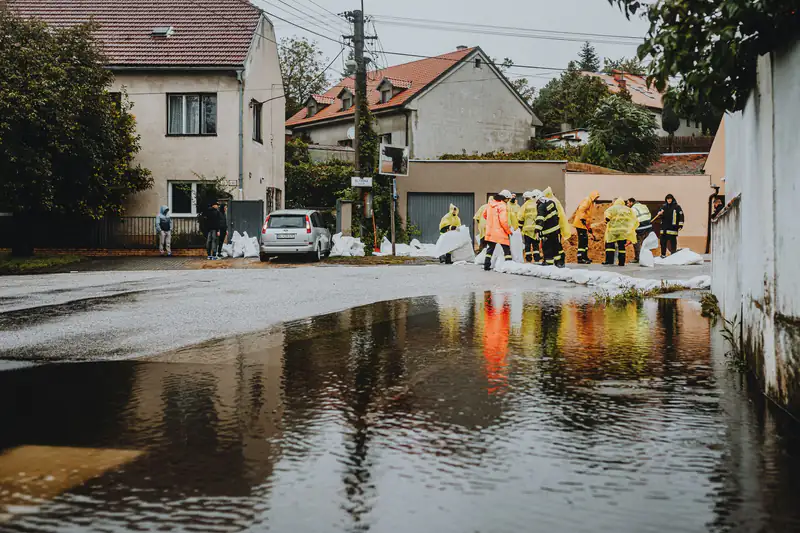
Burned slopes shed water much faster than vegetated ones. The U.S. Geological Survey notes that burn scars can raise the risk of flash floods and debris flows for several years after a fire. If a burn scar sits upslope of your neighborhood, give window wells, swales and storm drains extra attention before next summer's thunderstorm season, and keep sandbags on hand.
When to Get the Air Checked
If the smell will not clear after a few weeks of good filtration and cleaning, or it is clearly musty rather than smoky, it is time for post-smoke indoor air quality testing. A lingering musty odor is often mold, and our smoke smell vs. musty smell page explains how the source gets found.
Burn scars upslope of neighborhoods can also raise the risk of flash flooding and debris flows for years after a fire, so the storm-season checklist matters more after a big fire year.
Musty basement after a smoky summer? Book a basement mold and air check in Eagle Mountain.
Frequently Asked Questions
How do I get wildfire smoke smell out of my house?
Upgrade to a MERV 13 or higher furnace filter if your system allows, run a portable HEPA air cleaner, clean surfaces and fabrics, and air out the house on clean-air days.
Is it smoke or mold I am smelling?
Smoke smells sharp and burnt and fades over weeks; mold smells earthy and musty and stays strongest in one area, often low in the basement.
Can keeping windows closed for smoke cause mold?
It can raise indoor humidity, especially in basements. Run exhaust fans and a dehumidifier and keep humidity under 50 percent.
What filter should I use for wildfire smoke?
The EPA recommends MERV 13 or higher if your HVAC system can handle it, plus portable HEPA air cleaners.
Do air purifiers remove mold?
HEPA air cleaners capture airborne spores and smoke particles, but they do not remove mold growing on surfaces or fix the moisture behind it.